
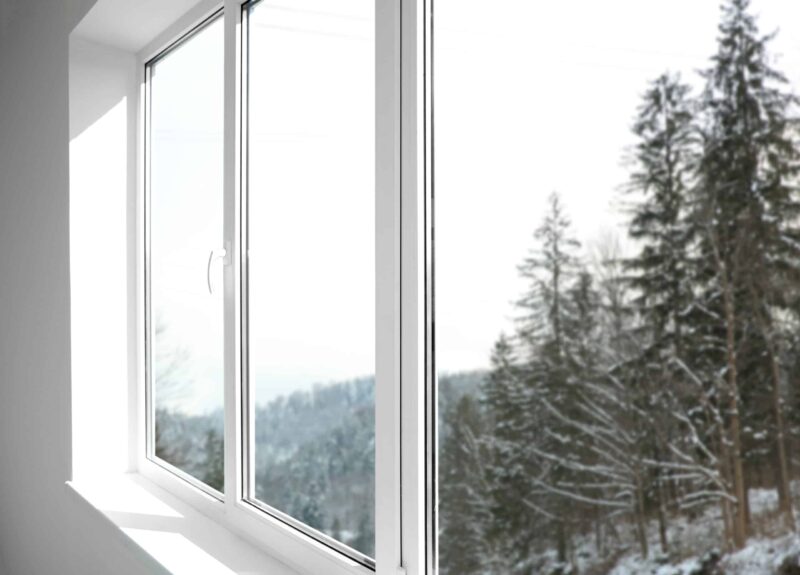
As temperatures drop, your home’s windows become a critical line of defense against cold air, moisture, and rising energy bills. Drafty or aging windows can lead to heat loss, higher utility costs, and discomfort throughout your home. That’s why now is the perfect time to assess your windows and make sure they’re up to the task. As a trusted window company, we know what signs to look for and how to fix problems before winter sets in.
Check for Drafts and Air Leaks
One of the most obvious signs that your windows aren’t winter-ready is a noticeable draft. Stand near the window and feel for cool air, especially around the edges. You can also use the candle or incense test: move a lit stick of incense slowly around the window frame and watch for any smoke movement that indicates airflow. Drafts can often be sealed, but persistent leaks may require a more permanent solution like replacement.
Inspect the Window Seals and Caulking
Take a close look at the caulking and weatherstripping around your windows. If it’s cracked, peeling, or missing in spots, cold air and moisture can easily find their way inside. Re-caulking and updating weatherstripping are simple steps that can improve insulation significantly and should be part of your fall maintenance routine.
Look for Condensation Between Panes
Fog or moisture trapped between glass panes is a red flag that your insulated glass unit (IGU) has failed. This compromises the window’s ability to retain heat and block cold air. If you notice this, it’s a strong indication that your windows are no longer performing efficiently and may need professional evaluation or replacement.
Check Operation and Locking Mechanisms
Windows that stick, won’t close fully, or have broken locks can let in cold air and water. Make sure each window opens and closes smoothly and that the locks engage tightly. Properly closed and locked windows seal better and help prevent heat loss.
Consider the Age and Efficiency of the Window
Older, single-pane windows or those over 15–20 years old may no longer meet modern energy efficiency standards. Even if they look fine, they may not offer the insulation your home needs during the winter months. Upgrading to energy-efficient models can make a significant difference in comfort and cost savings.
Call Your Local Window Company Before the First Freeze
If you’ve noticed any of these signs, don’t wait until the cold weather hits full force. Contact our trusted window company today for an expert inspection or to discuss replacement options. Our team is ready to help you stay warm, safe, and energy-efficient all winter long!
Check us out on Facebook to discover the latest news, tips, and trends!